Skip to content
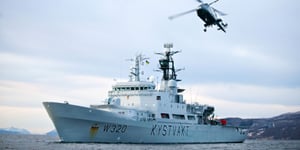
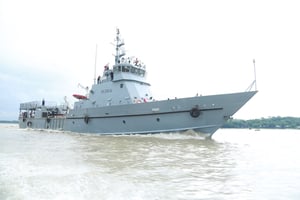
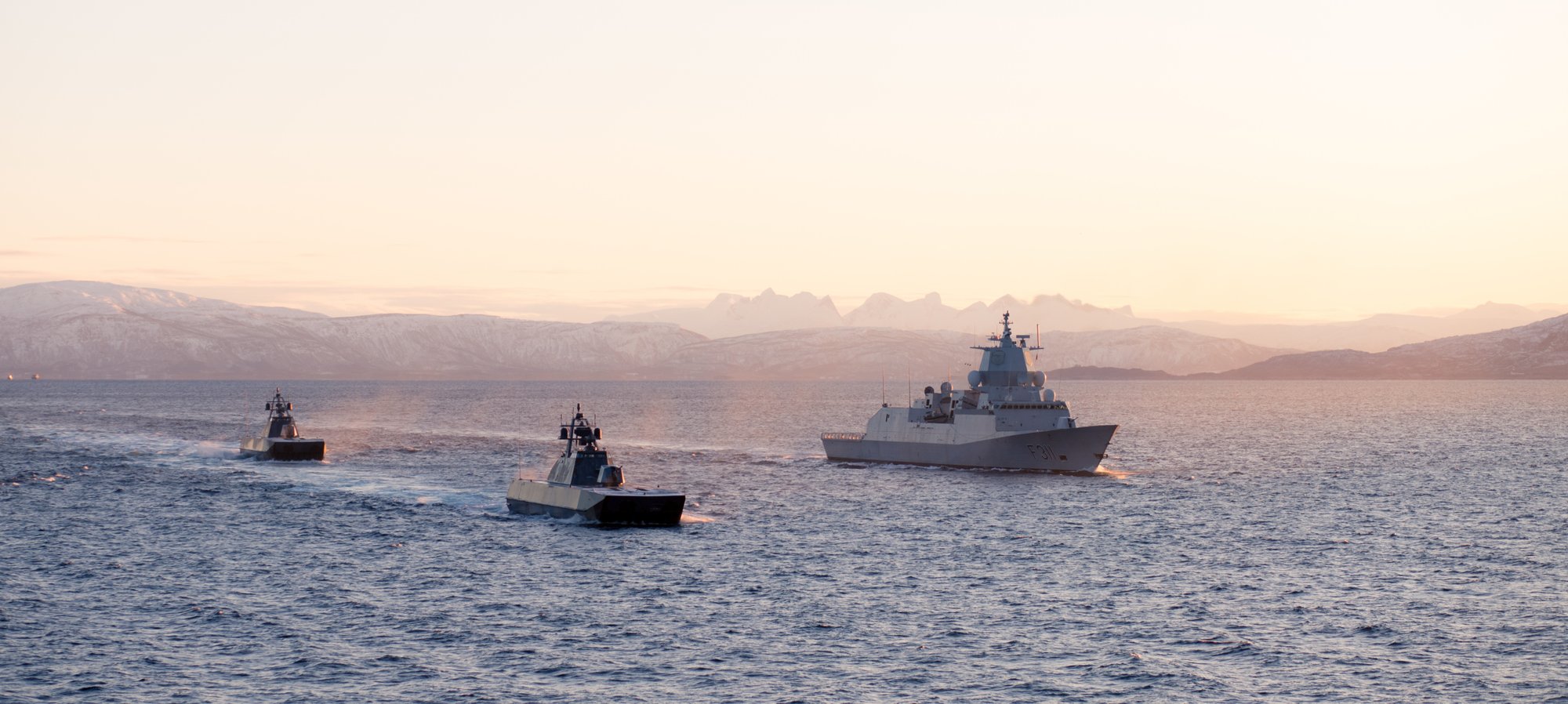
Photo: The Royal Norwegian Navy

Marine Propulsion for Standardised Vessel Programs
From Bridge to Propeller

BOS Power delivers integrated marine propulsion systems for standardised vessel programs across the Nordics.

We act as a marine system integrator, combining mechanical, electrical and control systems into one coordinated propulsion architecture — supported by structured governance, local integration capability and long-term lifecycle support.

BOS Power’s Approach to Standardised Fleet Programs

Standardised vessel programs involve multi-vessel fleet series developed under national acquisition frameworks.

These fleets are typically designed with:

  • Identical systems and equipment across vessels
  • Simplified training requirements
  • Standardised spare part management
  • Modular capability for sensors, payloads and mission systems
  • Flexibility to support both naval and coast guard operations

This creates a more reliable, flexible and cost-efficient fleet — but also places high demands on integration, governance and lifecycle capability.

Our Approach:

Our Role as a Marine System Integrator

BOS Power acts as a marine system integrator from bridge to propeller.

Our role includes:

  • Advisory to define the required propulsion architecture
  • Mechanical, electrical and control system integration
  • Reduced supplier interface risk in the supply chain
  • Engineering coordination across disciplines
  • Established communication interface with Nordic shipyards

Rather than supplying isolated components, we deliver integrated propulsion systems tailored for repeatability, scalability and long-term fleet performance.

sjoforsvaret
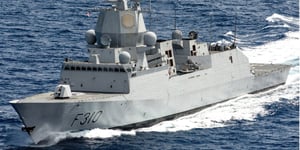
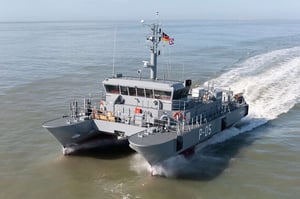
Photo: The Royal Norwegian Navy

National Capability and Local Support

Standardised vessel programs place strong emphasis on national competence and supply security.

BOS Power contributes with:

  • Established marine engineering competence in the Nordic region
  • Documented experience in propulsion integration for defence-related projects
  • Collaboration with leading Nordic shipyards and builders
  • Local integration, project management and commissioning capability
  • Well-established service network across the Nordics

We combine local presence with global support capability.

Industrial Governance and Project Excellence

Standardised vessel programs require structured execution and clear governance.

BOS Power operates under a formal governance framework and stage-gate project model, ensuring:

  • Defined project phases and control points
  • Structured risk management
  • Cross-disciplinary engineering coordination
  • Compliance control and quality assurance
  • Transparent communication with shipyards and stakeholders

Through our Project Excellence framework, we ensure predictable delivery across vessel series.


Lifecycle Support and Fleet Reliability

Long-term operational capability depends on lifecycle support. BOS Power provides:

  • 24/7 technical support
  • Local service stations and partners
  • Spare parts availability and logistics
  • Upgrade pathways and system development
  • Fleet-level lifecycle optimisation

This ensures operational continuity and long-term fleet resilience.

Integrated Propulsion Technologies

All technologies are integrated into a coordinated propulsion architecture aligned with programme requirements.

mtu Marine Engines

Reliable propulsion engines with strong lifecycle performance and compatibility with transitional fuels such as HVO.

Electric & Hybrid Integration

Flexible architectures supporting emission reduction and operational optimisation.

Servogear Controllable Pitch Propellers

Efficient propulsion systems with high manoeuvrability for demanding operations.

Start the Dialogue Early

Propulsion architecture decisions are made early in standardised vessel programs. 

Engage with BOS Power early to ensure optimal integration, reduced risk and long-term lifecycle performance. 

Frequently Asked Questions

What is a standardised vessel program?

A standardised vessel program involves the design and delivery of multiple vessels built on a shared platform with identical or highly similar systems.

This approach simplifies operations, reduces training requirements and improves spare part management, while enabling scalability and long-term fleet efficiency.

What does a marine system integrator do?

A marine system integrator ensures that engines, electrical systems, control systems and propulsion components function as one coordinated system.

This reduces interface risk between suppliers, improves overall system performance and ensures that the propulsion architecture is aligned with vessel requirements from an early stage.

How does BOS Power support defence-related vessel programs?

BOS Power supports vessel programs by delivering integrated propulsion systems, structured project execution and long-term lifecycle support.

We combine propulsion expertise with local integration capability, governance frameworks and established collaboration with Nordic shipyards.

What is through-life support in marine propulsion?

Through-life support refers to the ongoing maintenance, upgrades and optimisation of propulsion systems throughout the vessel’s operational life.

This includes technical support, spare parts, system upgrades and performance monitoring, often over a period of 20–30 years or more.

How does governance improve project delivery in vessel programs?

Structured governance ensures that projects are delivered with defined processes, risk management and clear accountability.

In multi-vessel programs, this reduces uncertainty, improves coordination between stakeholders and ensures consistent delivery across the fleet.

Are mtu engines compatible with alternative fuels?

Many mtu marine engines are compatible with alternative fuels such as HVO, enabling reduced emissions without compromising reliability.

This allows vessel operators to transition gradually while maintaining proven propulsion performance.

Contact

Not What You Needed Help With?

Did this page not answer your questions?